
There are several factors to consider when choosing the type of pipe to use for your job. This article will focus on a few of those areas of concern as we compare Ductile iron pipe (DI pipe) to its shiny arch-nemesis, steel. I'll be walking through each material's pros and cons as they relate to product design, energy (pumping cost) efficiency, corrosion control, and installation.
Design
The design basis behind DI pipe is the most conservative of products on the market today. Decades of reliable service are evidence of DI pipe’s success. Design calculations are found in the ANSI/AWWA C151/A21.51 Standard Design for Ductile Iron Pipe.
The most notable difference is the safety factor. The safety factor for DI pipe is 2.0, compared with a safety factor of 1.33 to 2.0 for steel, depending on the percent of yield strength used.
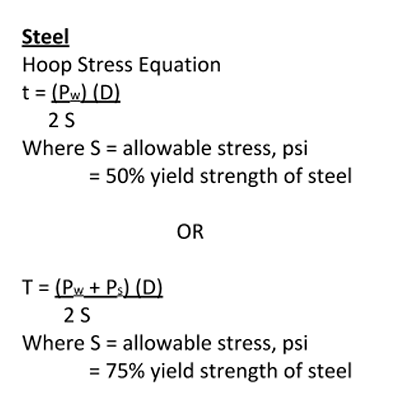
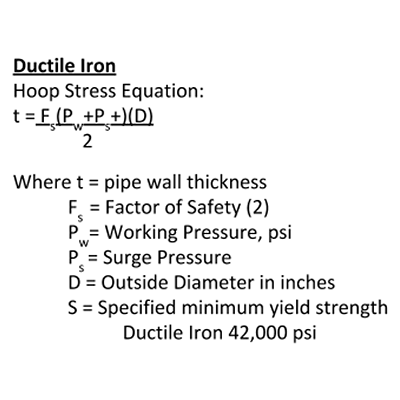
Notice the two different equations used to calculate the thickness design. Allowing the stress to escalate to 75 percent of the yield strength reduces the steel pipe's safety factor to 1.33 when surge is included, compared to the 2.0 safety factor used in the DI pipe design. The difference in percentages to yield affects the thickness design of the pipe.
Let’s stick with the more conservative and trustworthy calculations. Take the example of a 24-inch water line with a working pressure of 150 psi. Calculating the thickness:
Required Thickness
Steel Pipe (50% Yield) = .086 Thickness
Steel Pipe (75% Yield) = .095 Thickness
Ductile Iron Pipe = .157 Thickness
The thickness of the DI pipe is much greater than that of steel. The minimum thickness for a 24-inch Class 200 pipe is .24 inch. This is well beyond the calculated thickness design for internal pressure.
There is a comfortable feeling knowing the product chosen is designed well above the intended use. We do not know what the future will bring 100 years down the road, but we know that the design of DI pipe helps ensure the longevity of your water delivery system.
Let’s Talk Cash
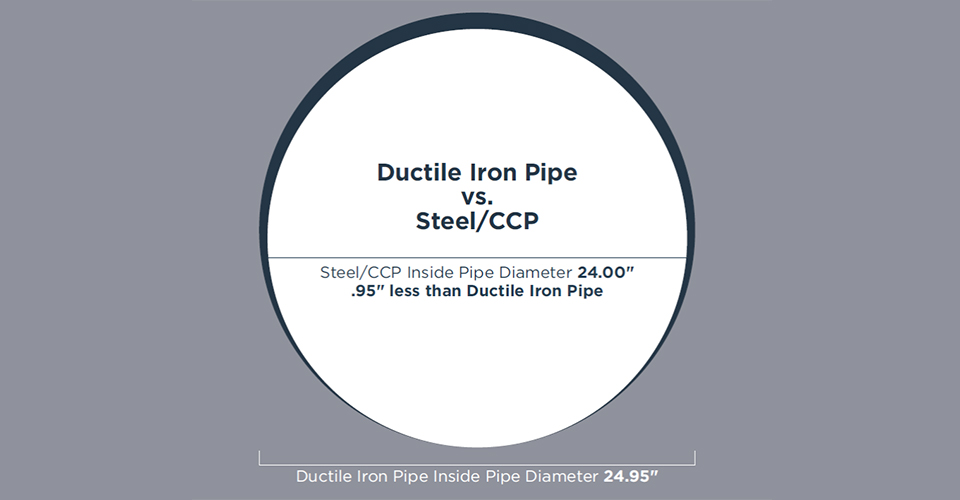
Due to its larger inside diameter, Ductile iron pipe offers a cost-effective transmission line alternative to other products. The chart below is an example calculation using 2,000 feet of 24-inch line operating 24 hours per day.
| Ductile | Steel | |
|---|---|---|
| Pressure Rating | 350 | 150 |
| Actual ID | 24.95 | 22.94 |
| Flow Rate (gal/min) |
7,620 | 7,620 |
| Velocity (ft/sec) |
5.0 | 5.9 |
| Total Head Loss | 5.37 | 8.09 |
| Annual Pumping Cost ($/year) |
9,650.32 | 14,540.23 |
| Annual Savings | $4,889.91 |
Everyone would like to see a return on investment. These annual savings could be put to practical use. For more information on these calculations, check out McWane's Pocket Engineer.
Additionally, DI pipe is SMaRT certified, with up to 95 percent recycled content used in the manufacturing process. It also has no "end of use," so when replaced, it can be recycled over and over. Choosing a sustainable product like Ductile iron not only benefits the end-user but also benefits our environment in the long term.
Corrosion and Protection
Ductile iron pipe is unique in its approach to corrosion control. An oxide layer forms on the inside and outside of all DI pipes during the manufacturing process. This oxide layer provides adequate corrosion protection (in many circumstances). Utilization of the 10 Point Soil System will determine whether additional corrosion protection is needed. The next step in corrosion protection for DI pipe is polyethylene encasement, better known as V-Bio®.
V-Bio is formed by bonding three layers of co-extruded linear low-density polyethylene into a single layer. The inside surface contains an antimicrobial biocide to control microbiologically influenced corrosion and a volatile corrosion inhibitor to prevent galvanic corrosion.
V-Bio is easily installed in the field prior to pipe installation, making it cost-effective and easy to use. DI pipe and V-Bio can be installed in nearly any weather condition. No other product on the market compares.
Polyethylene encasement has proven effective in controlling corrosion in aggressive soils for more than 50 years and is cost-effective. The investment in V-Bio is minimal compared to the project's overall cost, especially when compared to the vastly more expensive alternative of bonded coatings used by the steel pipe industry. Not to mention the even higher costs associated with cathodic protection, which is widely used with steel.
Bonded coatings used to protect steel pipe are very expensive. Other issues that plague bonded coatings are handling and patching. The thin-walled steel pipe may not have enough beam strength to support its own weight, making it difficult to handle.
It is difficult to handle a steel pipe section during installation without damaging the bonded coatings. Any void in the bonded coating significantly increases the potential for corrosion, and these voids must be repaired. Contractors do not have the luxury of waiting until the sun shines to get the job done.
Time is money, and these folks need a product that is easy to work with, such as DI pipe. Some steel pipes are also coated with cement mortar, which is porous and subject to cracking. Again, any void in the coating increases the potential for corrosion of the steel pipe.
Additional Cathodic Protection Issues
Cathodic protection is rarely required or used with DI pipe. Steel pipe, on the other hand, is more reliant on cathodic protection. DI pipe joints are discontinuous. This helps isolate corrosion cells to a single piece of pipe.
Steel joints are continuous. This increases the potential for electrolysis and, therefore, the need for cathodic protection. Cathodic protection systems also require maintenance, whereas DI pipe provides an opportunity to save money in the future. The use of steel pipe also increases pumping and maintenance costs.
Installation Factors
Ductile iron pipe can be installed in the rain, sleet, snow, high heat, or freezing temperatures. Because steel pipe needs to be welded together, a rainstorm can halt progress.
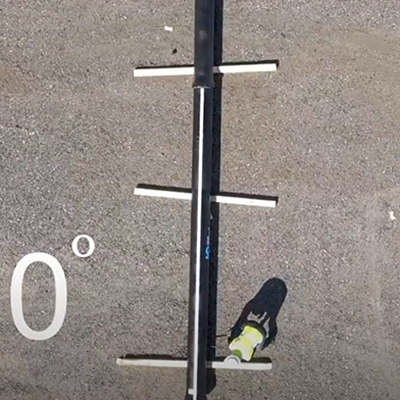
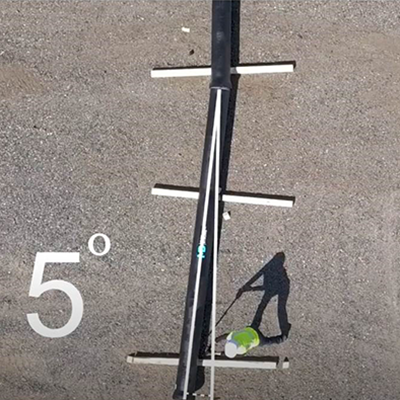
Ductile iron pipe joints come in 18-to 20-foot lengths, which are much easier to handle in the field than 40- to 50-foot steel joints. Do the math. Four joints of 24-inch ductile per hour = 72 feet, versus one joint of steel at 40 feet.
18-foot DI joints also provide a better opportunity for deflection. This deflection capability reduces the number of fittings. Again, reducing the overall cost of a project.
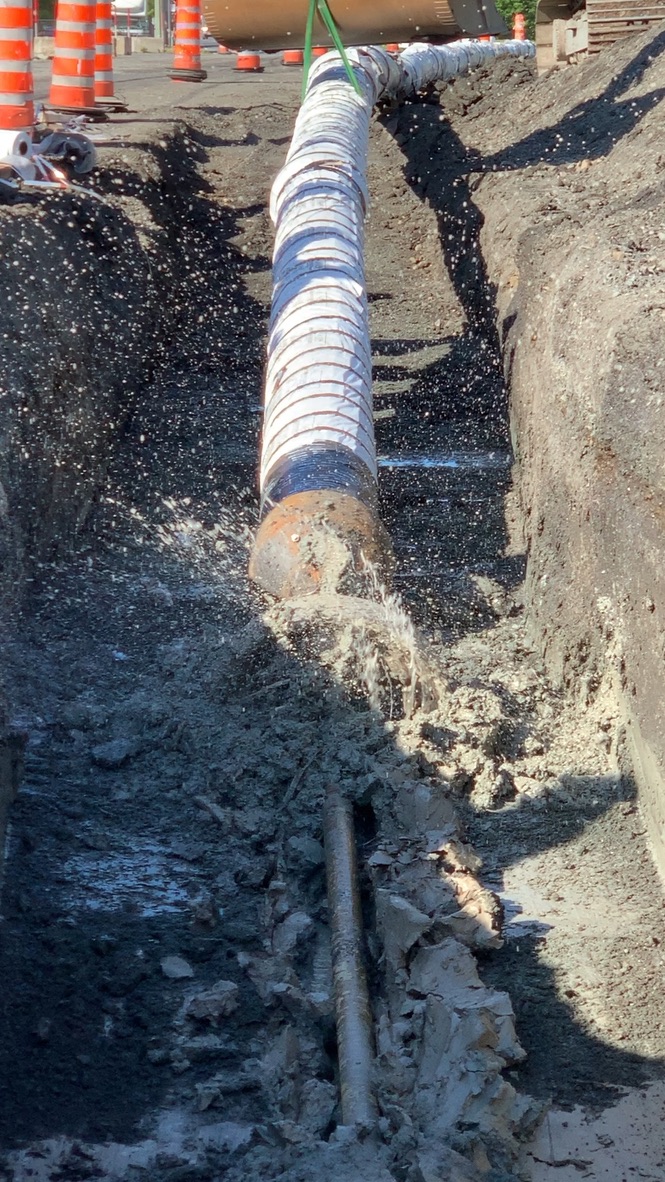
Ductile iron is also great for Horizontal Directional Drilling (HDD). The 18-foot joints provide a small radius to go over, under, or around obstacles. Puller heads are also provided by the manufacturer to ease the pulling of the pipe. See this helpful blog on using Ductile iron pipe for Horizontal Directional Drilling by my colleague John Simpson.
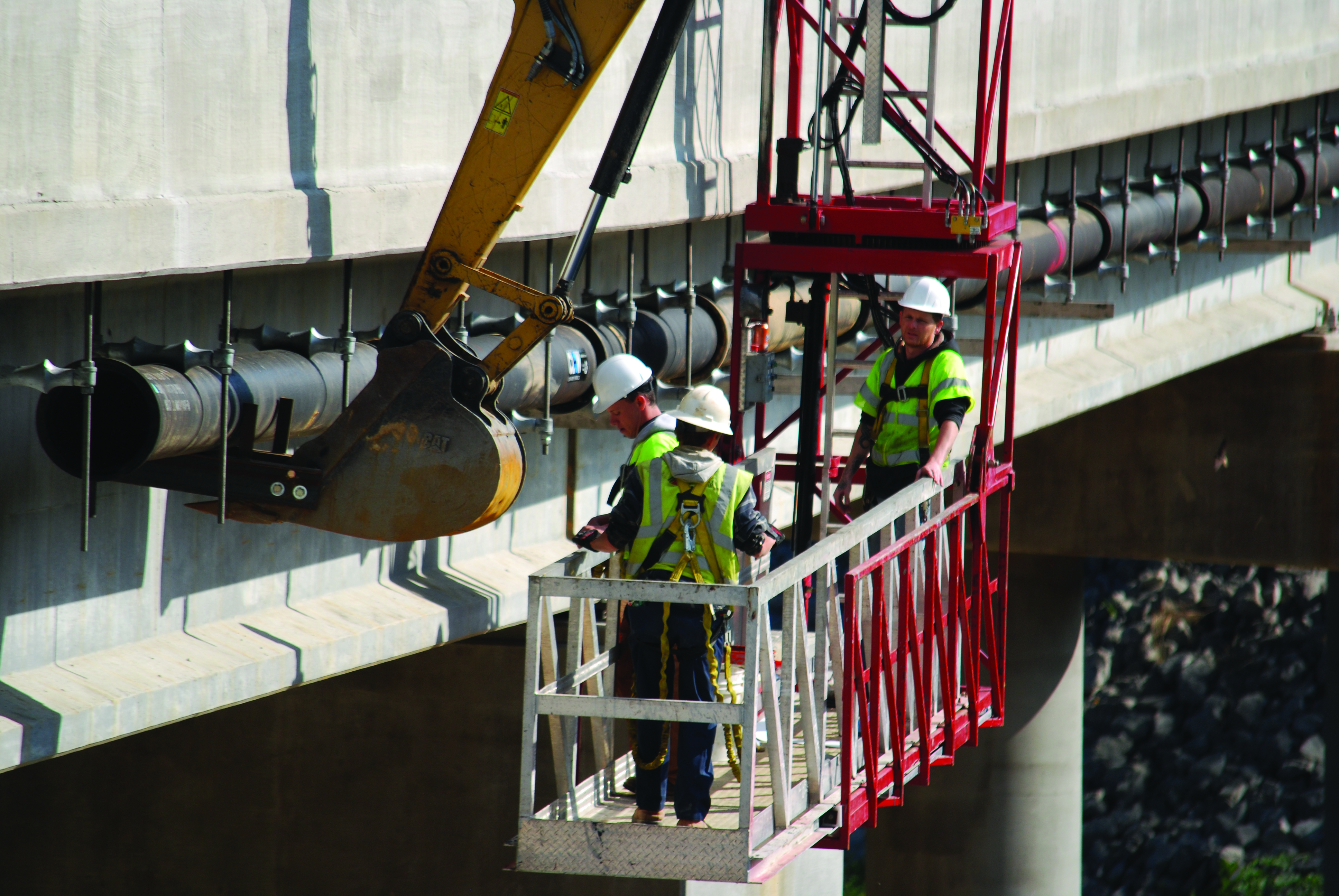
The combination of remarkable restraint and the ability to accommodate thermal expansion and contraction makes Ductile iron pipe, particularly TR Flex, an outstanding choice for bridge crossings.
Summary
Consider the design, history, installation, and cost. Weigh all the factors, and I am confident we will all agree: When it matters – USE DUCTILE IRON. When does it matter? – IT ALWAYS MATTERS.
Need Assistance with Your Waterworks Project?
If you have any questions or require additional information, please contact your local McWane Ductile representative. We have team members who've managed small and large water utility systems, served at engineering consulting firms, and bring decades of experience in solving field issues related to pipeline construction and operations. From design to submittal to installation, we strive to provide education and assistance to water professionals throughout the water and wastewater industry.