Engineers, Utilities, and water professionals need reliable information to make sound decisions. Decisions that may affect a utility for generations. How can an engineer design a project without knowing the facts? After reviewing the information in this #IronStrong Blog, one can better understand the history and future expectations pertaining to TR Flex Pipe®.
HOW LONG HAS TR FLEX® PIPE BEEN IN SERVICE?
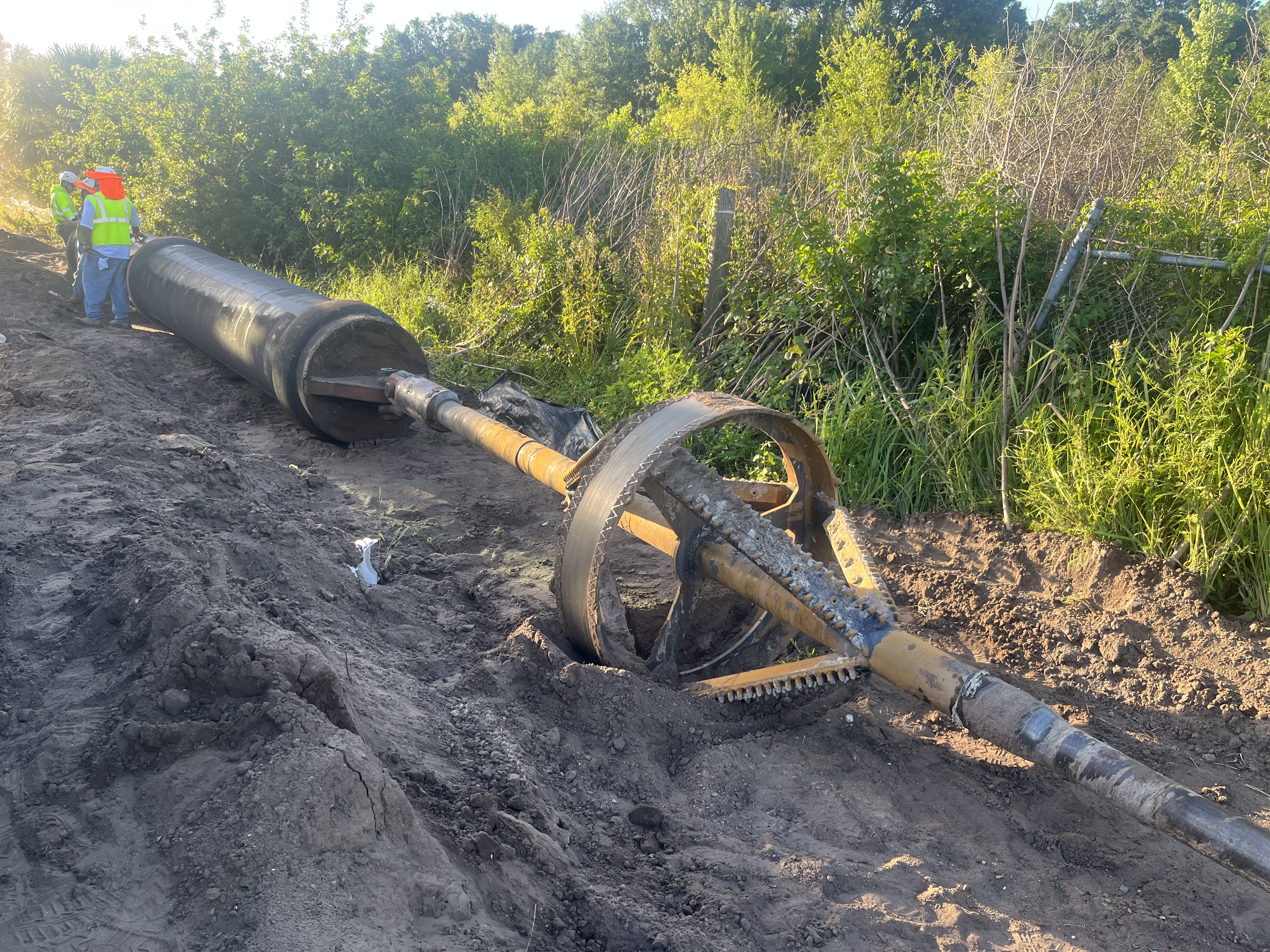
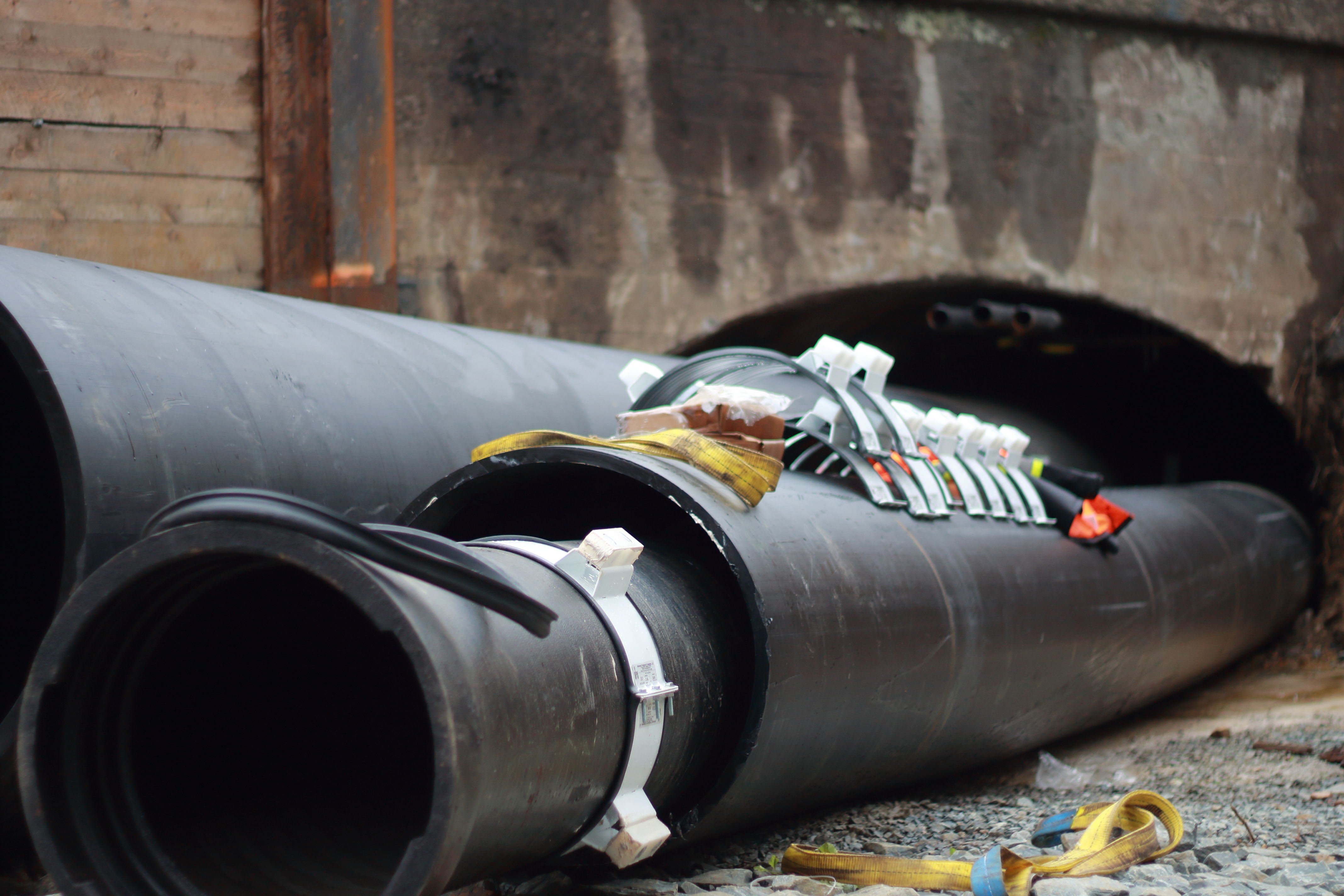
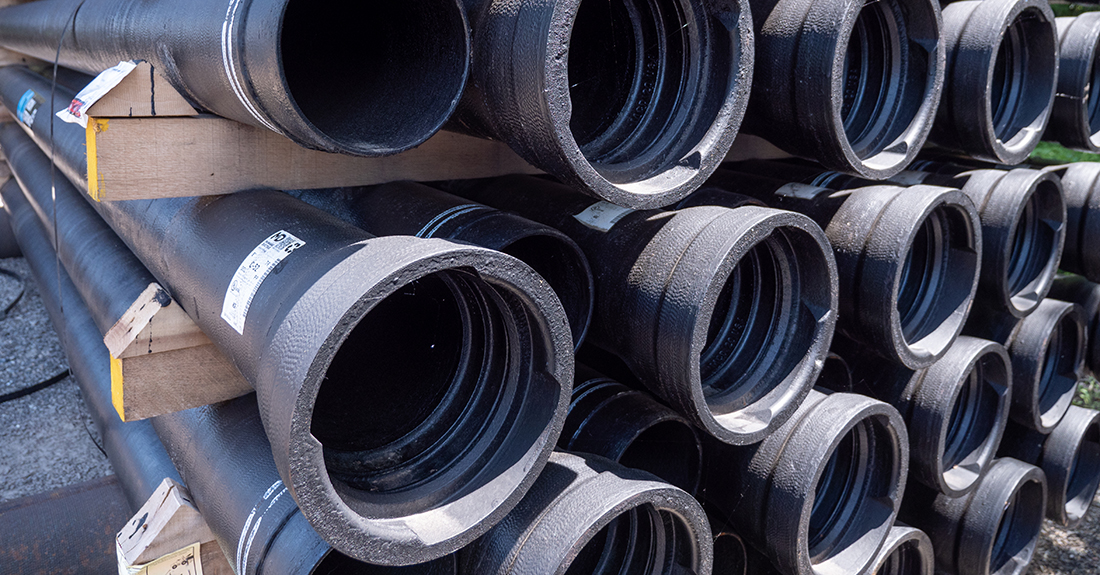
Before going further, let’s first provide a brief history. TR Flex pipes have been installed for more than four decades and have proven reliable. They are suitable for high-pressure applications, HRDIP (Hazard Resilient Ductile Iron Pipe) zones, deep bury, HDD (horizontal directional drilling), and penstocks, among others. McWane Ductile has not experienced any TR Flex joint failures during our 15+ years of manufacturing more than 40,000 pieces annually.
HOW IS TR FLEX® PIPE MANUFACTURED BY MCWANE DUCTILE TESTED?
McWane Ductile manufactures various Ductile iron pipe joints, including TR Flex pipe, which conforms to ANSI/AWWA C150 and C151 standards. All pipes, regardless of class, undergo rigorous hydrostatic testing to a minimum of 500 psi. This test ensures the pipe can withstand significant pressure without leaks or failures.
Additionally, McWane Ductile randomly tests assembled pipe joints at a minimum of two times the rated pressure, exceeding AWWA standards. This additional testing provides an extra layer of assurance about the product's quality and reliability. For instance:
- Pressure Class 150 pipe tested at 300 psi
- Pressure Class 250 pipe tested at 500 psi
- Pressure Class 350 pipe tested at 700 psi
AS AN ENGINEER, WHAT IS IMPORTANT TO ME?
Having multiple approved piping products ensures the strength and stability of our nation's infrastructure. Healthy competition and available product options lead to competitive pricing and more supply-chain options. This is especially true on large-scale projects, which are often broken down into various phases. Completion dates are easier to meet because multiple contractors and suppliers work on separate phases simultaneously.
SO, WHAT IS REALLY NEEDED?
Design engineers usually consider operating or "working" pressure when designing for maximum efficiency. Most waterlines operate well below the previously mentioned thresholds, often at less than 100 psi working pressure.
For example, using internal pressure and the ANSI/AWWA C151 Thickness Design of Ductile-Iron Pipe, use the following parameters: a 36” pipeline operating at 100 psi (typically hydrostatically tested at 150 psi), a burial depth of 8', and a Trench Type of III. See the diagram below, which shows the wall-thickness calculation results.
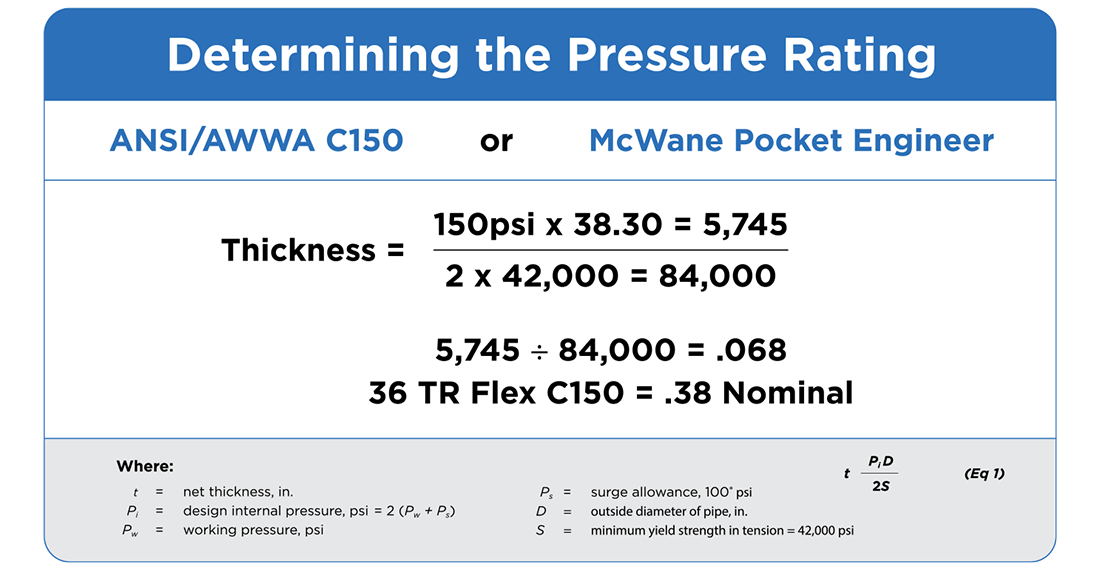
The required wall thickness for Ductile iron pipe is a mere .068 thickness. The standard wall thickness for a 36" TR Flex Class 150 pipe is .38 nominal, five times the required calculated thickness for the given parameters. This additional thickness provides a safety margin and ensures the pipe's structural integrity under various operating conditions.
Additional considerations are in paragraph 4.1.2 of the ANSI/AWWA C151 Standard, "Design for Trench Load," for the depth of bury and a trench Type II; this project's suggested pipe class will be C150. Would anyone specify a Class 350 pipe for this project? Quite simply, NO. The 36" TR Flex Class 150 pipe is more than sufficient. You can run calculations in seconds using the McWane Pocket Engineer at PE.McWane.com.
The most common 30” and 36” Restraint Joint Ductile Iron Pipe sold in 2025 was Class 250 pipe at a rate of nearly 3 to 1. This also coincides with the most common pressure rating of 30" and 36” Valves, Fittings, and Hydrants. A system can only be rated according to the “weakest link”. So what do you gain by installing a joint rated at 350 psi when all the accessories are rated at 250 psi?
Additionally, a joint with a Stated pressure rating of 350 is actually rated at the pressure rating of the mating pipe. It is therefore misleading when a manufacturer and/or pipe rep states that a joint is rated at 350 psi when the system will be rated at the weakest component of the system: i.e., the pipe barrel of 250 psi, valves, fittings, and hydrants. A further look into pipe class selection will identify why pipe thickness is increased, which is due to depth of bury and/or trench load.
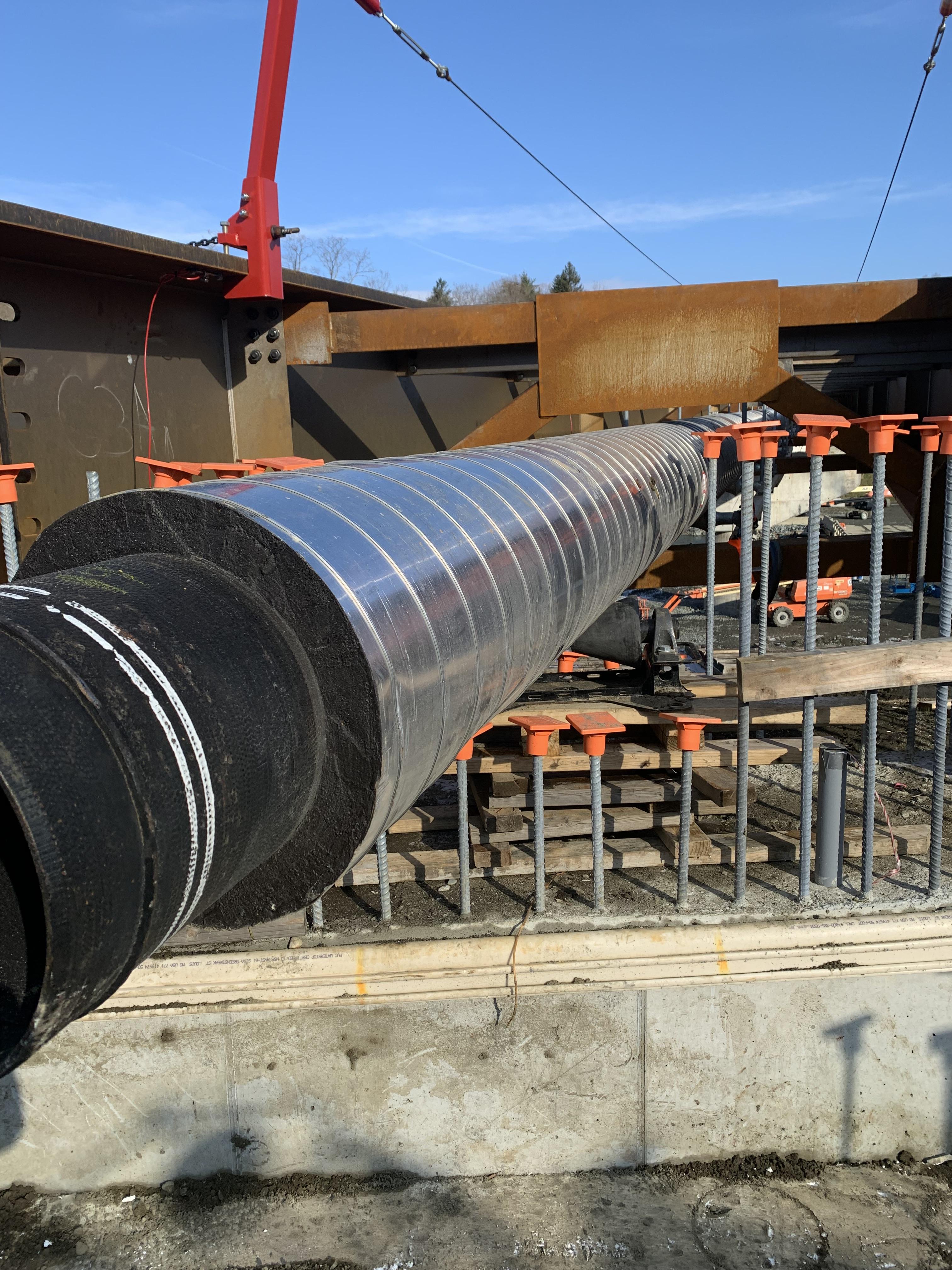
Example: Internal pressure only is considered when pipe is suspended on a bridge compared to pipe buried at depths of 8 ft.—12ft.—16ft. and so on. Pipe thickness will increase, and trench type will change as depth of bury increases. Reminder: the focus here is pipe barrel—not joint rating. These thickness calculations may be quickly verified using the McWane Pocket Engineer Thickness Calculator and/or the ANSI/AWWA C150 Thickness Design of Ductile Iron Pipe.
FINANCIAL CONSIDERATIONS
Let’s say, for example, a manufacturer convinces a client that “their pipe joint” is better because the joint rating is 350 psi compared to other joints rated at 250 psi. The client believes the information, not realizing the pipe barrel, valves, fittings, and hydrants are only rated at 250 psi. And not to mention the system will be tested at a mere 150 psi. Now comes the big hitter—price.
Example: a project consisting of 25,000 LF of 36” restraint pipe. The list price difference between a Class 250 restraint pipe and a Class 350 restraint pipe is $1,425,000. This assumes the entire system will be restrained. Projects are becoming more and more common in the water industry as system demands continue to rise. How often do you stop at a gas station and pay 50 cents more for 89 octane gas when your car only requires 87 octane? Customers complain about 50 cents a gallon but spend more than 50 dollars a foot for pipe they don’t need? Doesn’t add up, does it?!
CLEAR PRODUCT INFORMATION IS CRITICAL
In conclusion, as key decision-makers in water projects, engineers and utilities deserve and should demand accurate information. This is crucial to making sound decisions and ensuring project success. The facts presented show that TR Flex pipe joints have a proven track record of success.
We want to be clear: McWane Ductile is committed to manufacturing the TR Flex joint and will continue to do so. We manufacture our products at three domestic facilities, employing local union workers who prioritize safety and environmental responsibility. We encourage water professionals to contact your local McWane Ductile representatives or Technical Engineers for further information or clarification.
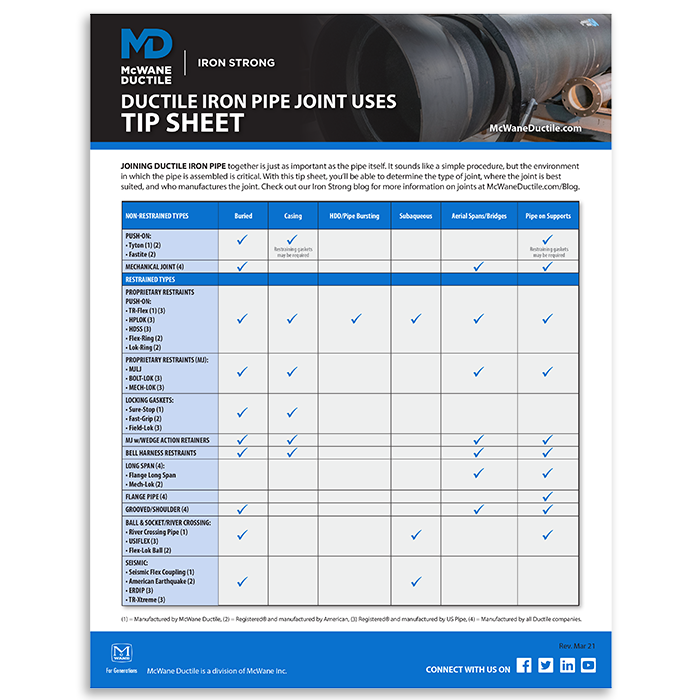
Is it the right Ductile iron pipe joint for the job? Be sure with this free and handy tip sheet listing various DI Pipe joints and their uses from McWane Ductile!
DOWNLOAD NOW
Need Assistance with Your Waterworks Project?
If you have questions about your water or wastewater infrastructure project, your local McWane Ductile representative has the expertise to help. Many of our team members have managed small and large water utility systems, served in engineering consulting firms, and bring decades of experience solving field issues involving pipeline construction and operation. From design to submittal to installation, we strive to educate and assist water professionals throughout the water and wastewater industry.