
At McWane Ductile, we are proud to manufacture the strongest, most durable, and most flexible piping material available to the waterworks industry. Even with these great attributes, we still take great care when handling Ductile iron pipe (DI pipe). In this Iron Strong Blog, we’ll cover key tips for safely handling your DI pipe once it arrives at your job site and throughout your pipeline project.
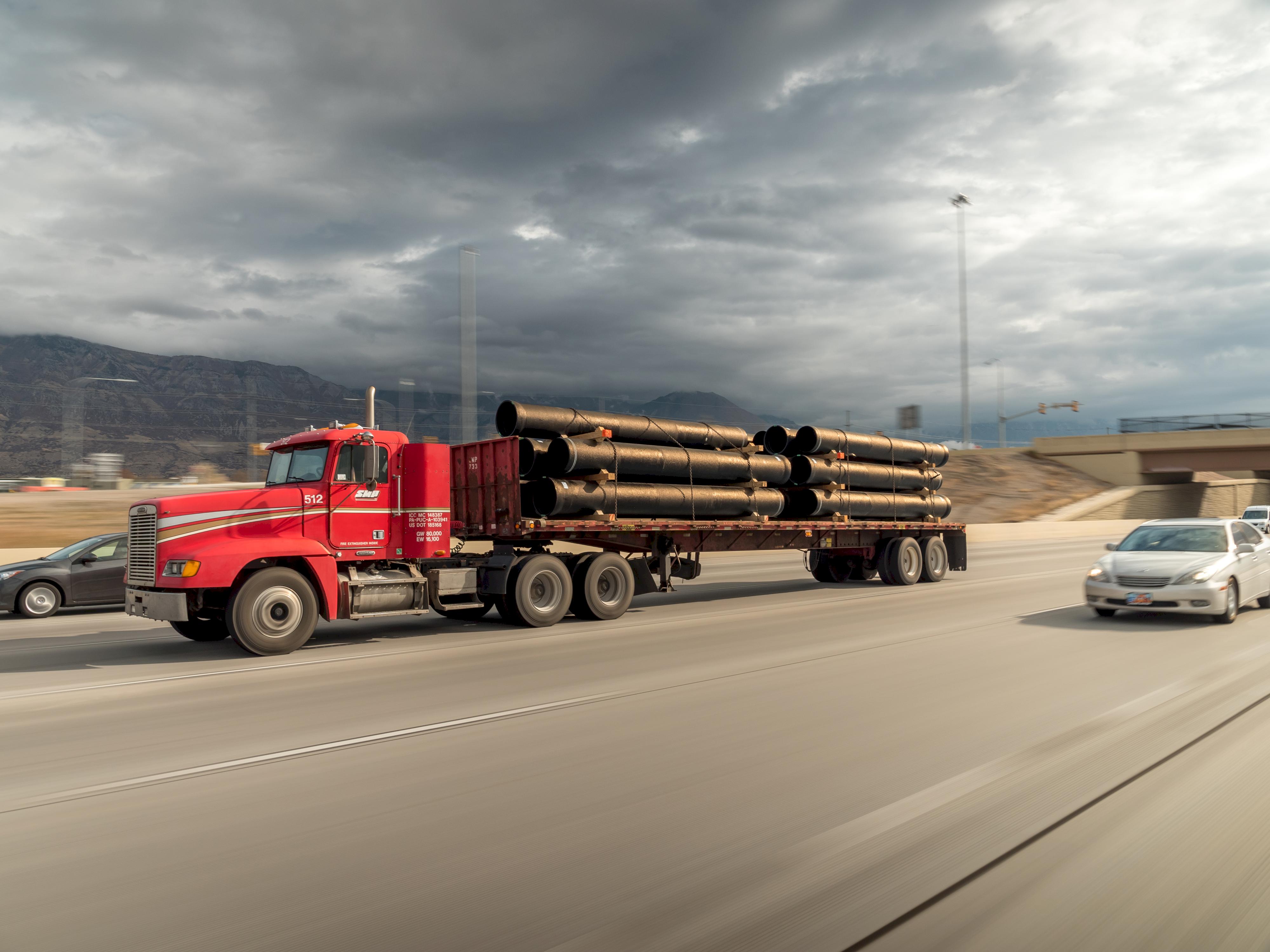
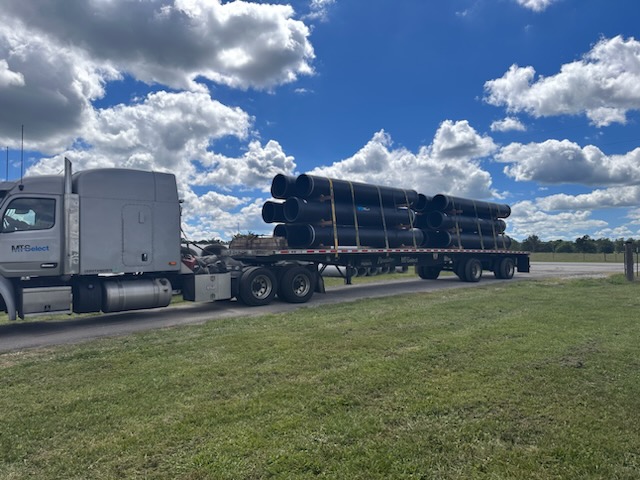
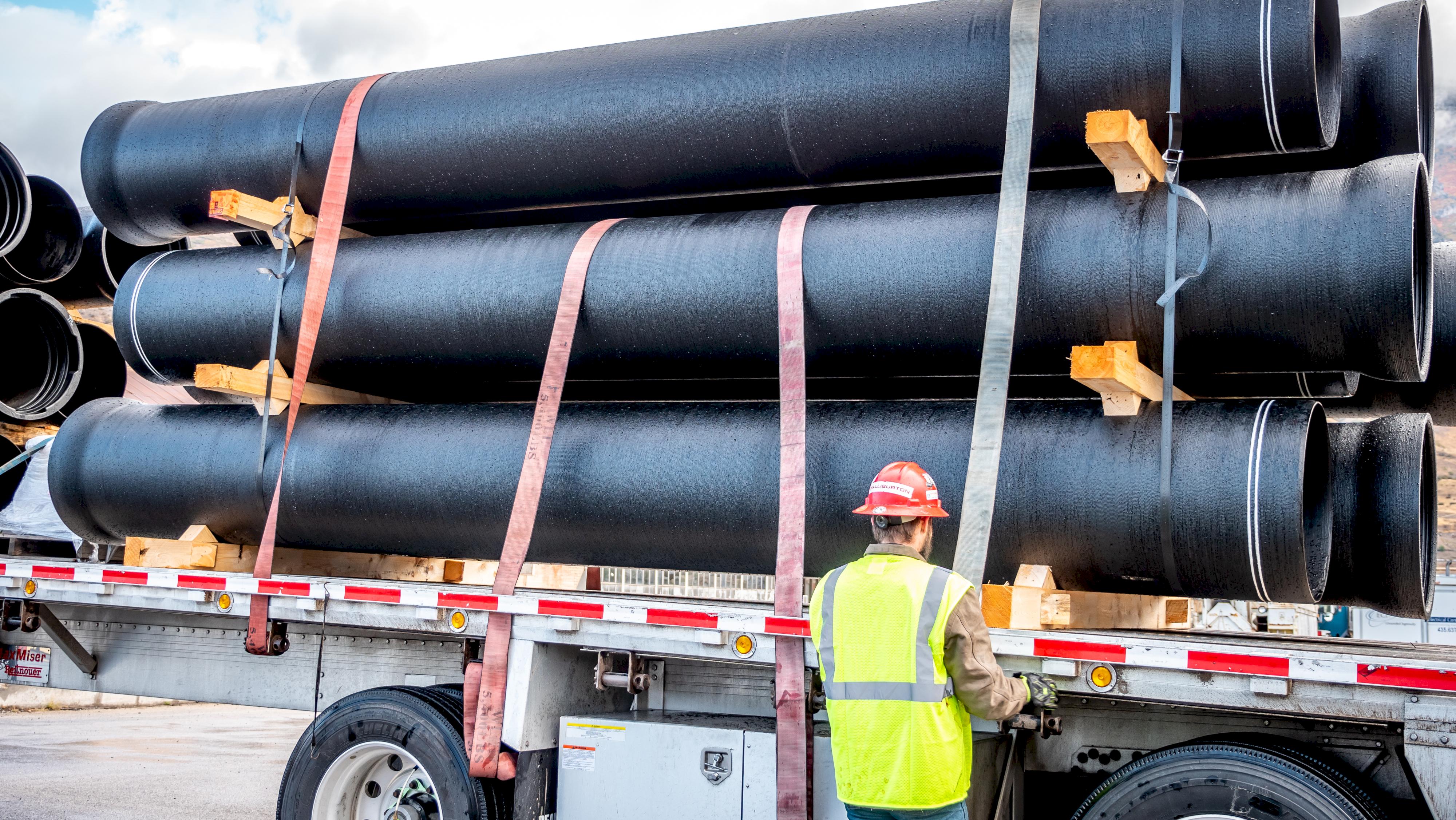
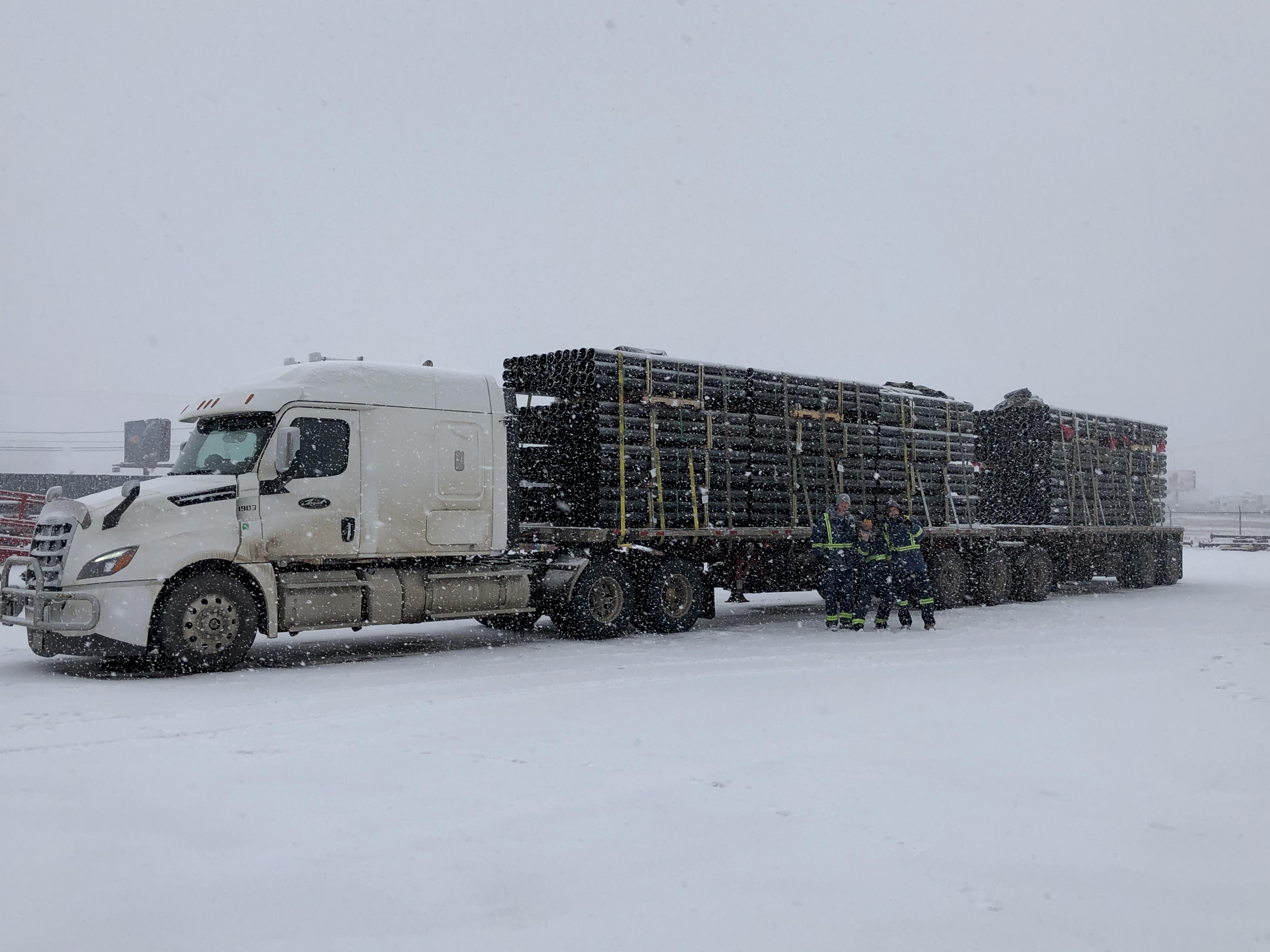
Back at our foundries, we produce hundreds of sticks of DI pipe daily. Once the pipe is cast, annealed, tested, lined, and painted, we bundle it and secure it on timbers with blocks and straps. We then safely load it onto a truck for shipment to your job site. See the video below, which covers how many pipes can be shipped at one time, by Martin Rodriguez.
Think Safety First
Before the pipe arrives, select a good laydown area for unloading and storing the pipe. Some essential safety tips to consider include:
- Determine a safe location free from traffic hazards.
- Keep in mind the truck and trailer need ample room to maneuver.
- Keep the unloading area level to help maintain the stability of the truck and trailer. Keep the ground free of potholes and debris.
- Look up and look around. Keep the unloading area clear of overhead electric lines. Coming into contact with a power line can be dangerous – even deadly.
- Keep the unloading area clear of foot traffic from pedestrians or other employees not involved in the loading/unloading process.
- The unloading area should have enough lighting for early morning or evening loading or unloading.
Before Removing Pipe From the Trailer
- Make sure you have the right equipment to handle the pipe's weight and unload it safely. See this helpful Iron Strong Blog by my colleague, Gary Gula, on the importance of knowing the weight of DI pipe.
- Carefully inspect any bands or straps securing the pipe, as they may have come loose during transit.
- Before unloading, inspect the entire load for missing blocks or shifting bundles from transit.
- Ensure you have received the correct product(s). Verify the quantities, pipe type, pipe size, gaskets, and lube.
- Check for any damage to the product, and make sure you have all the necessary paperwork.
For more great tips on what you must know before you let that truck go, see this Iron Strong Blog with a handy tip sheet.
Unloading Your Pipe Safely
Now let’s talk about how to unload and handle your pipe safely.
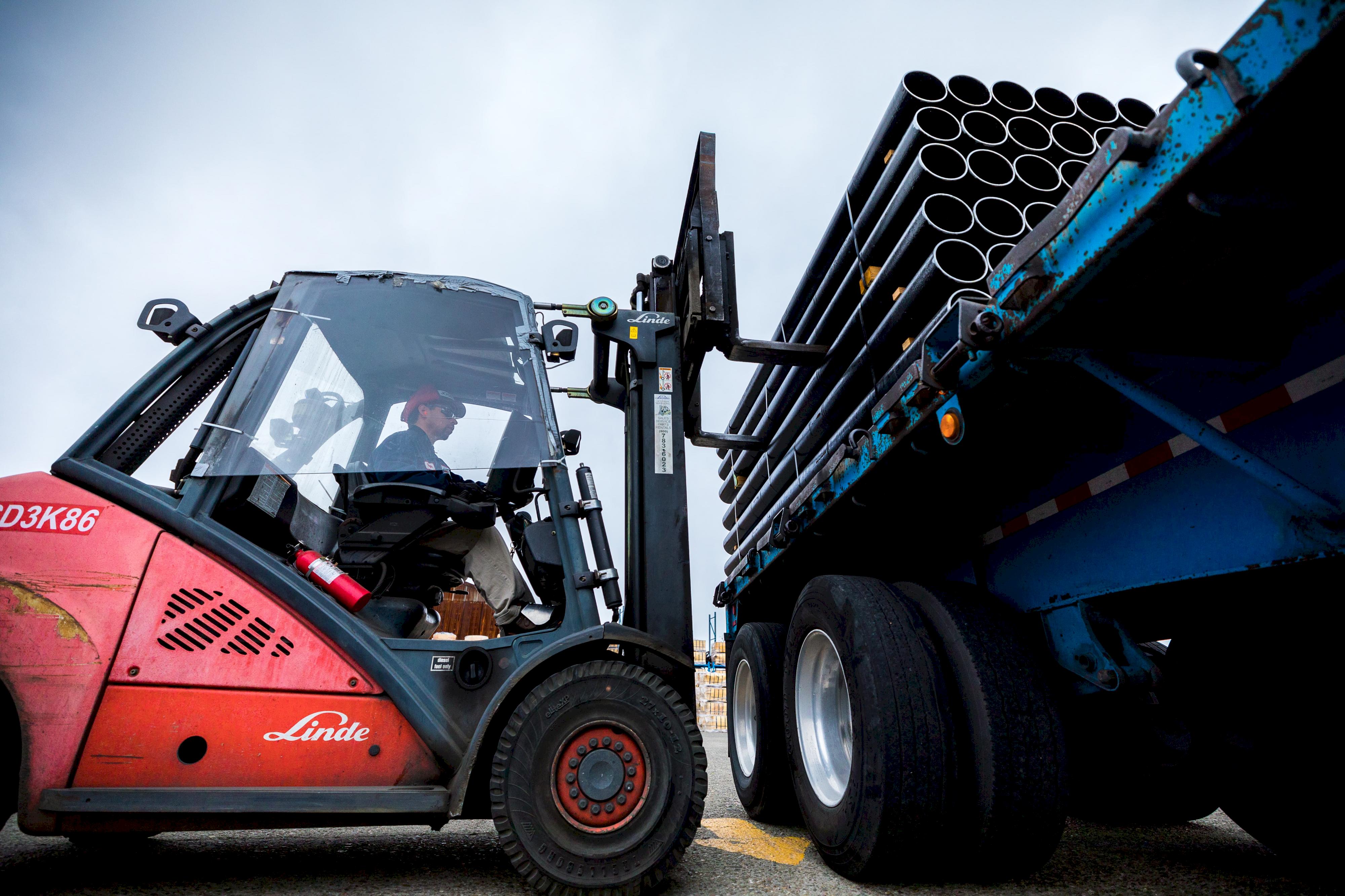
- Once it is determined that the load looks good, remove the bindings, either nylon straps or chains, that secure the trailer's bundles.
- Always make sure no person is standing on or near the trailer while unloading the materials.
- Cut the straps that join the bundle.
- Never unload pipe by rolling it off the trailer. Rolling can damage the pipe and can be dangerous for anyone standing nearby.
- Only pick up as many pieces of pipe with the forks of a loader as deemed safe and reasonable.
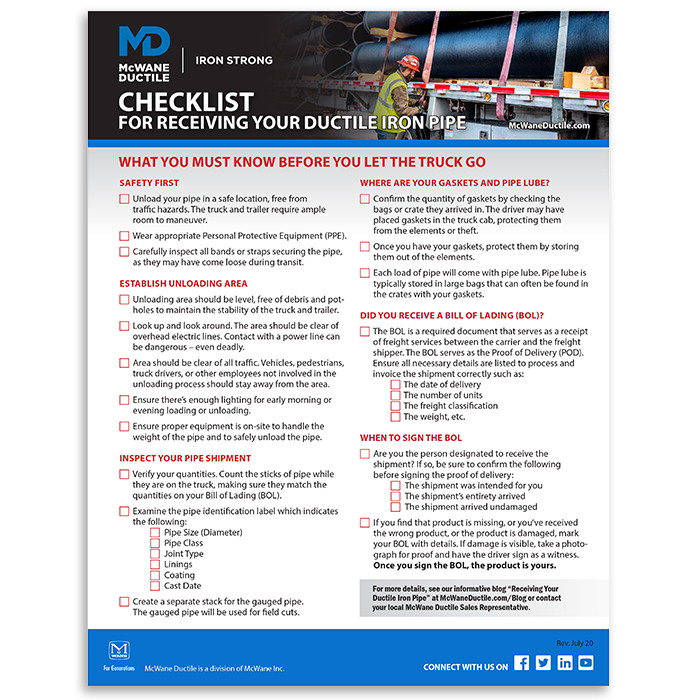
Before you let that truck full of Ductile iron pipe go, be sure to follow the guidelines on this free and handy checklist!
DOWNLOAD NOW
Storing Pipe on the Job Site
Once the pipe is unloaded, you can either restack it or string it out along the ground.
- If you re-stack the pipe, make sure the wood blocks are still attached to the timbers that came with the load.
- Replace any missing blocks to prevent pipe from shifting when stacked.
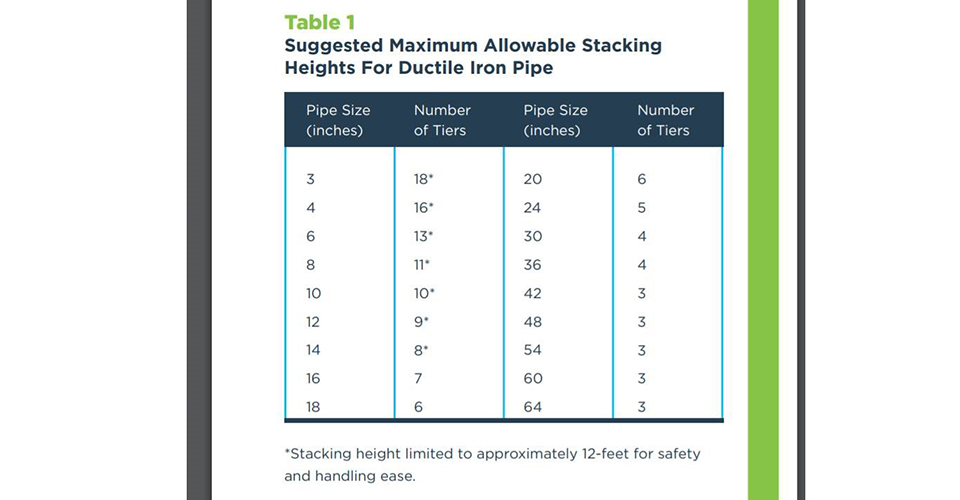
- When stacking pipe, consider many variables, including ground type, anticipated ground conditions if weather changes, pipe size and class, and the safe reach and balance (counterweight value) of the machinery being used.
See the chart below from the Ductile Iron Pipe Research Association's Installation Guide for Ductile Iron Pipe for recommended heights for stacking DI pipe.
Cold Weather Tip:
Installers are tough and don't always stop production for a little rain or snow. Take extra care when installing any product in these conditions. Wet or frost-covered materials can be slippery.
Lifting Your Pipe Safely During Installation
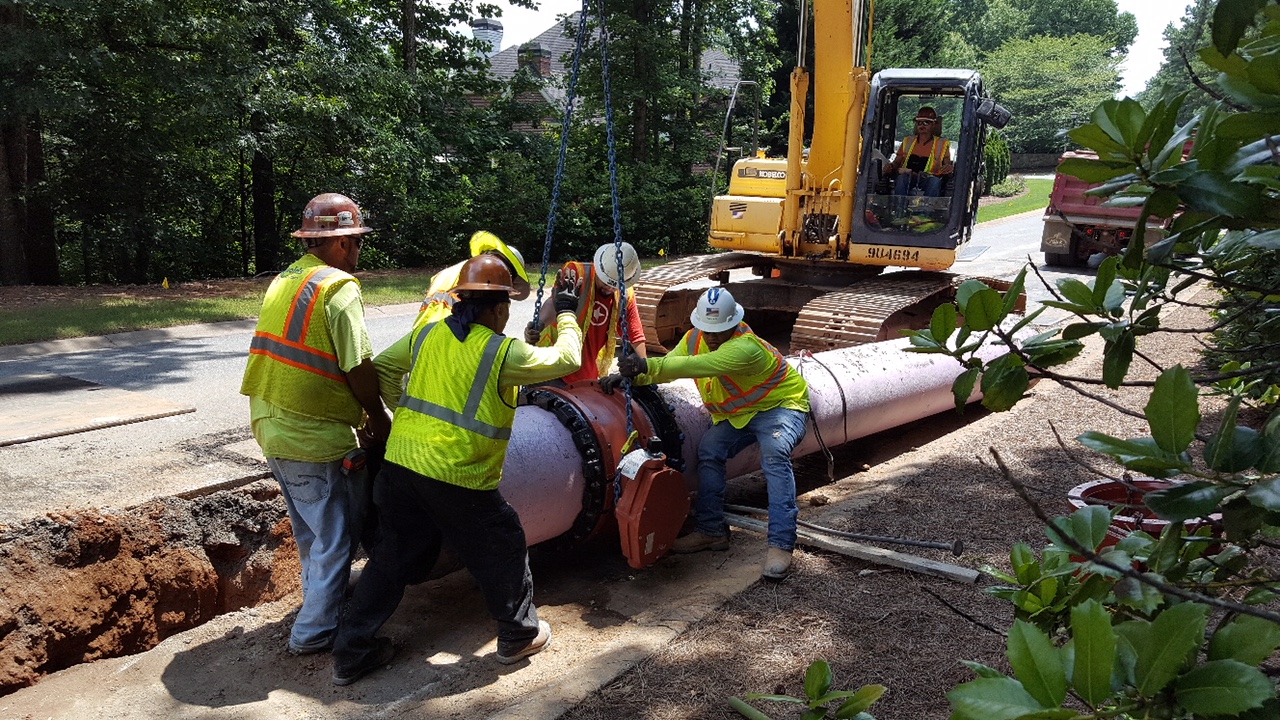
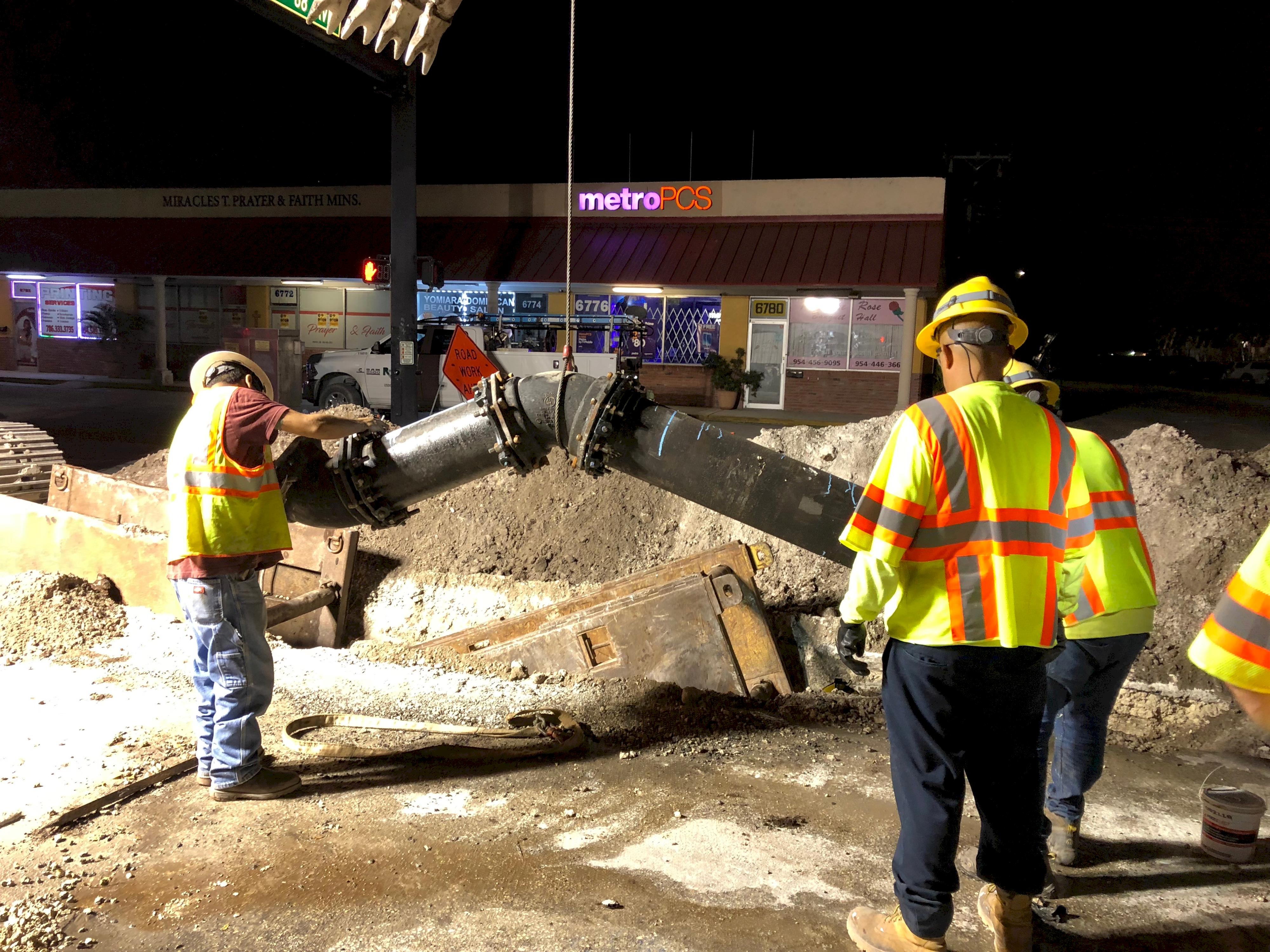
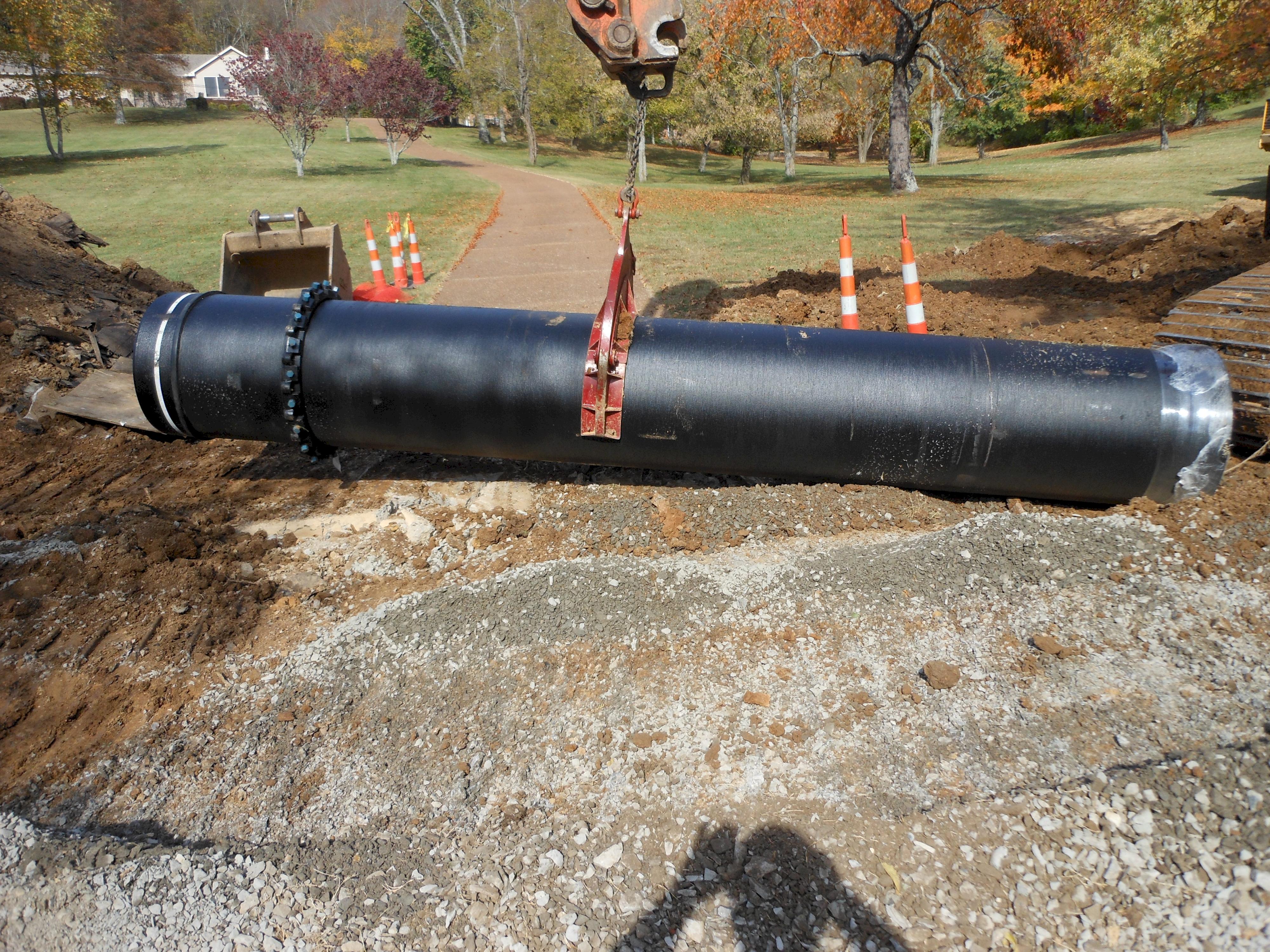
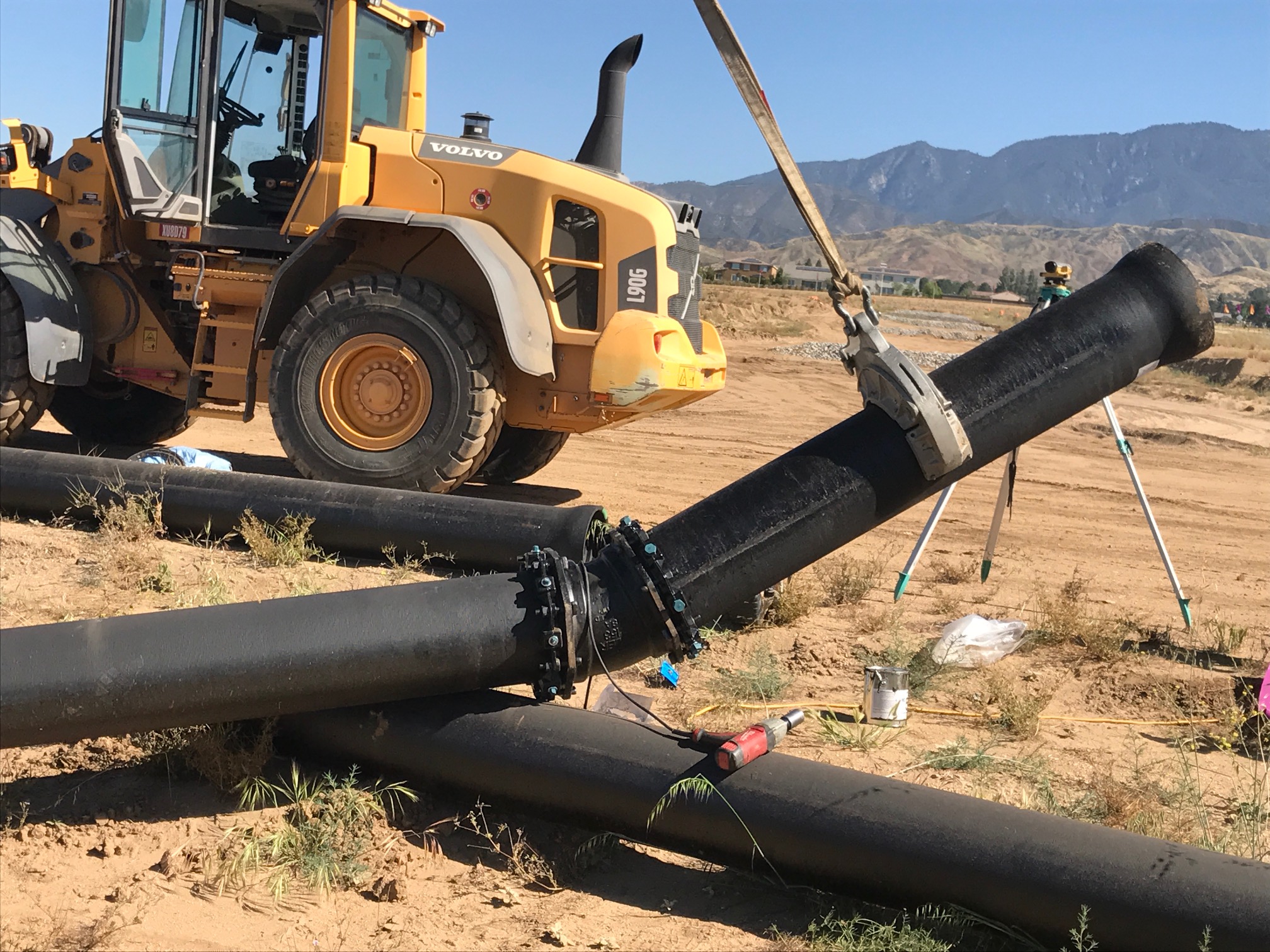
When it is time to start installing pipe in the trench, what should you use to pick it up? Common types of devices are:
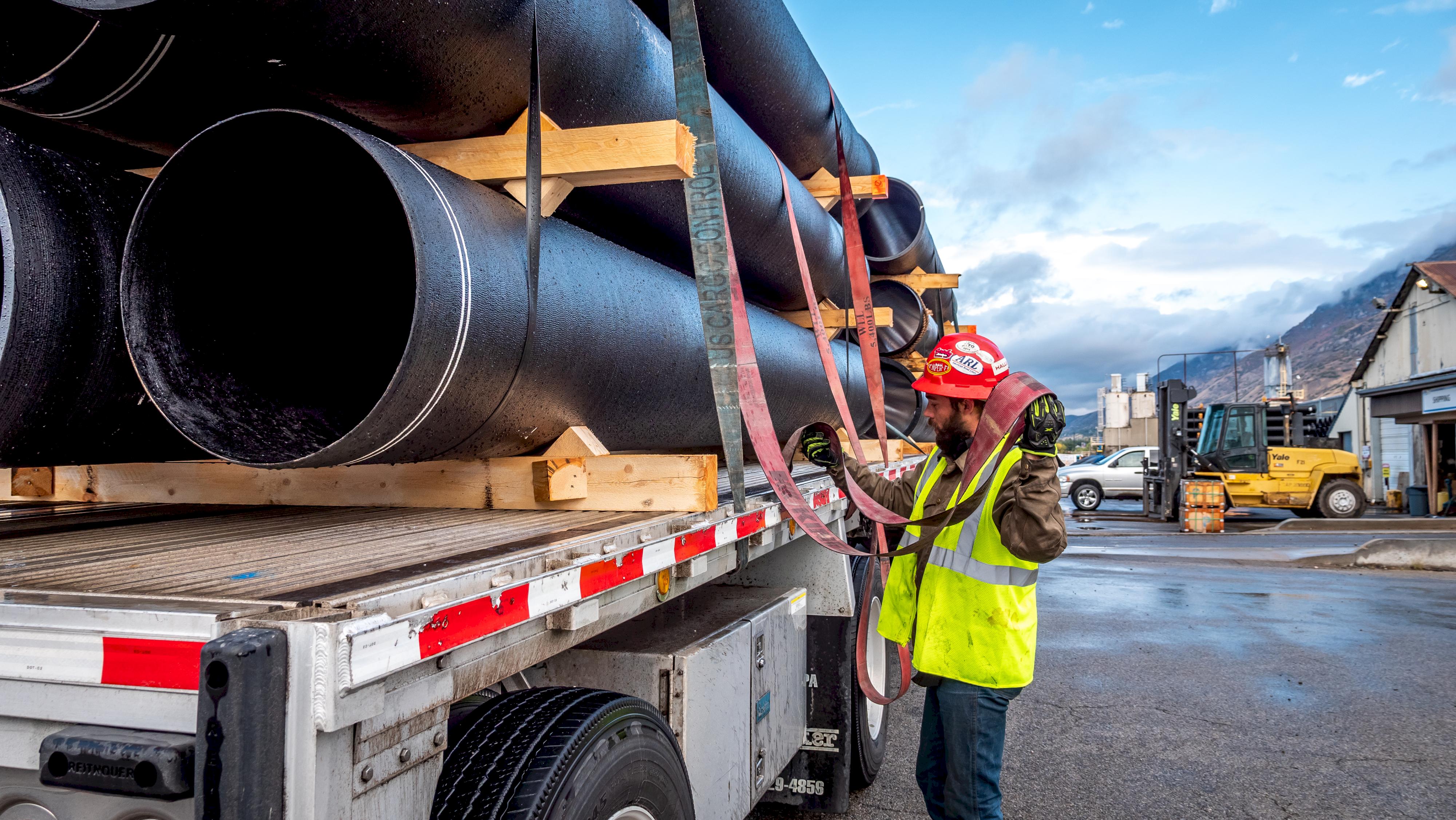
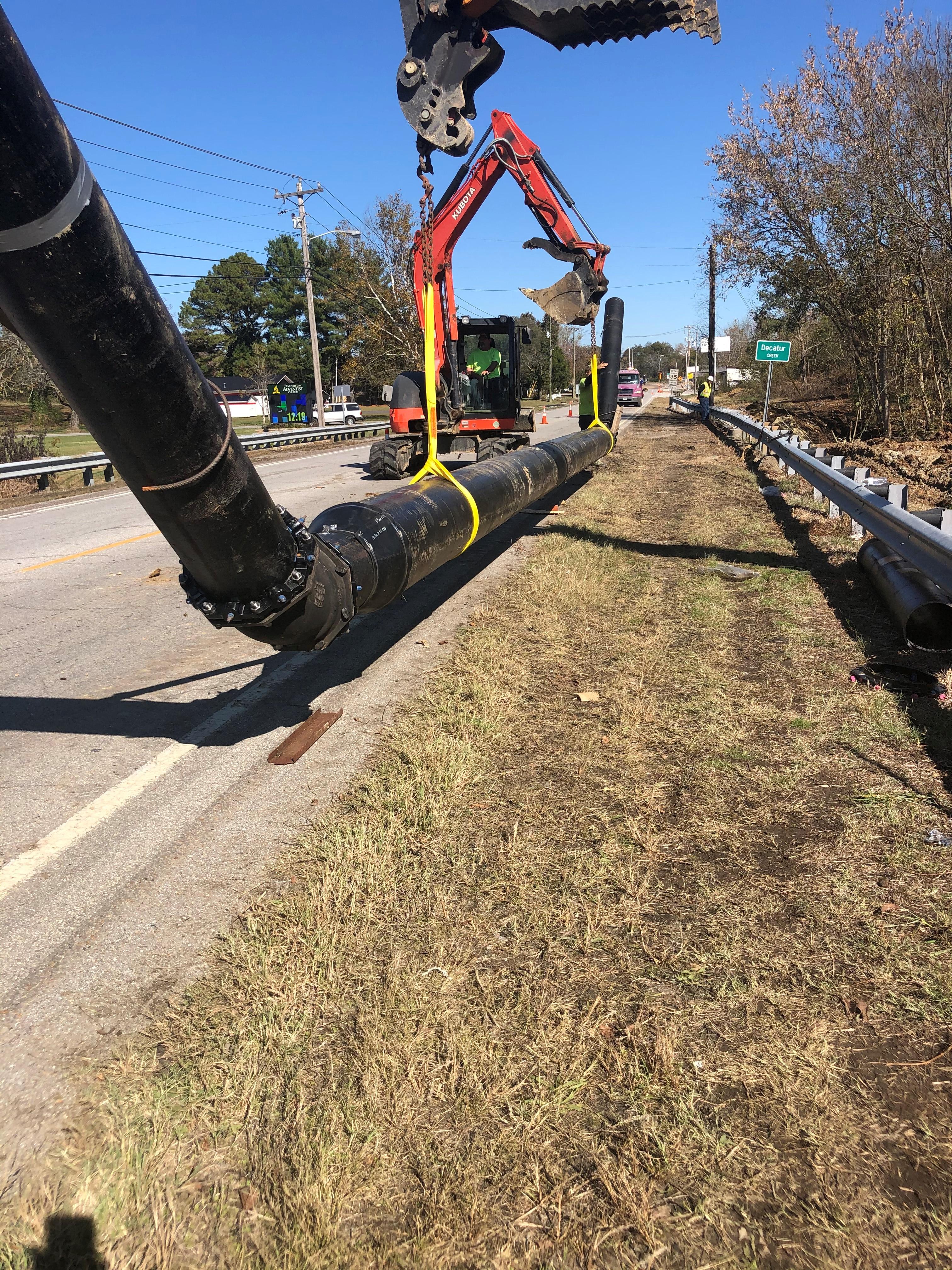
- Nylon Straps – These are widely used because they shift less and typically do not damage pipe coating. Be sure the nylon strap is rated for the pipe weight it will support. Larger diameter pipes weigh more than smaller pipes and require higher-rated straps. Inspect straps periodically for wear and replace them when worn.
- Steel Cables – These are also commonly used but are most likely to cause damage to the coating. Steel Cables will most definitely cause damage to polywrap if placed over it. Inspect these periodically and replace them when worn.
- Note: Pipe with polywrap should never be picked up with strapping coming into direct contact with the polywrap, regardless of lifting device, but especially with a steel cable.
- Pipe Tongs – These are specifically made for lifting pipe and are available in different diameter ranges. Most commonly use a scissor action with actuators to secure the pipe. These tend to be more expensive than other alternatives, and you would need several to cover a wide range of pipe diameters. It is also recommended to line the inside of the tongs with rubber to protect the pipe.
Some More Pro Tips When Handling Ductile Iron Pipe
- Never move or install pipe by placing a fork inside it. Lifting with a fork has a high potential to damage the cement lining inside the pipe. Never use a fork to raise fittings or other appurtenances.
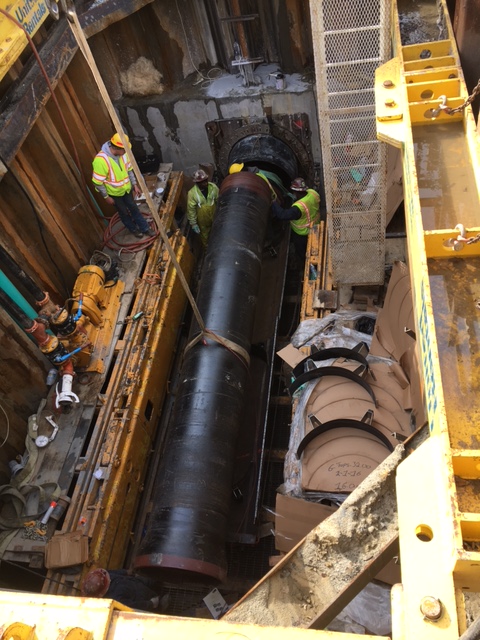
- Never stand directly under a pipe that is being lifted into the trench. Stay as far away as possible in case of a break or slip with the lifting device.
- When the pipe is in the trench and the lifting device is removed, use a wood block between the bell's face on the pipe and the machine's bucket.
- Always avoid pushing on the bell directly with the bucket.
- Additional installation instructions are available in the ANSI/AWWA C600 Installation of Ductile Iron Mains and Their Appurtenances.
Handling Ductile Iron Pipe During Special Applications
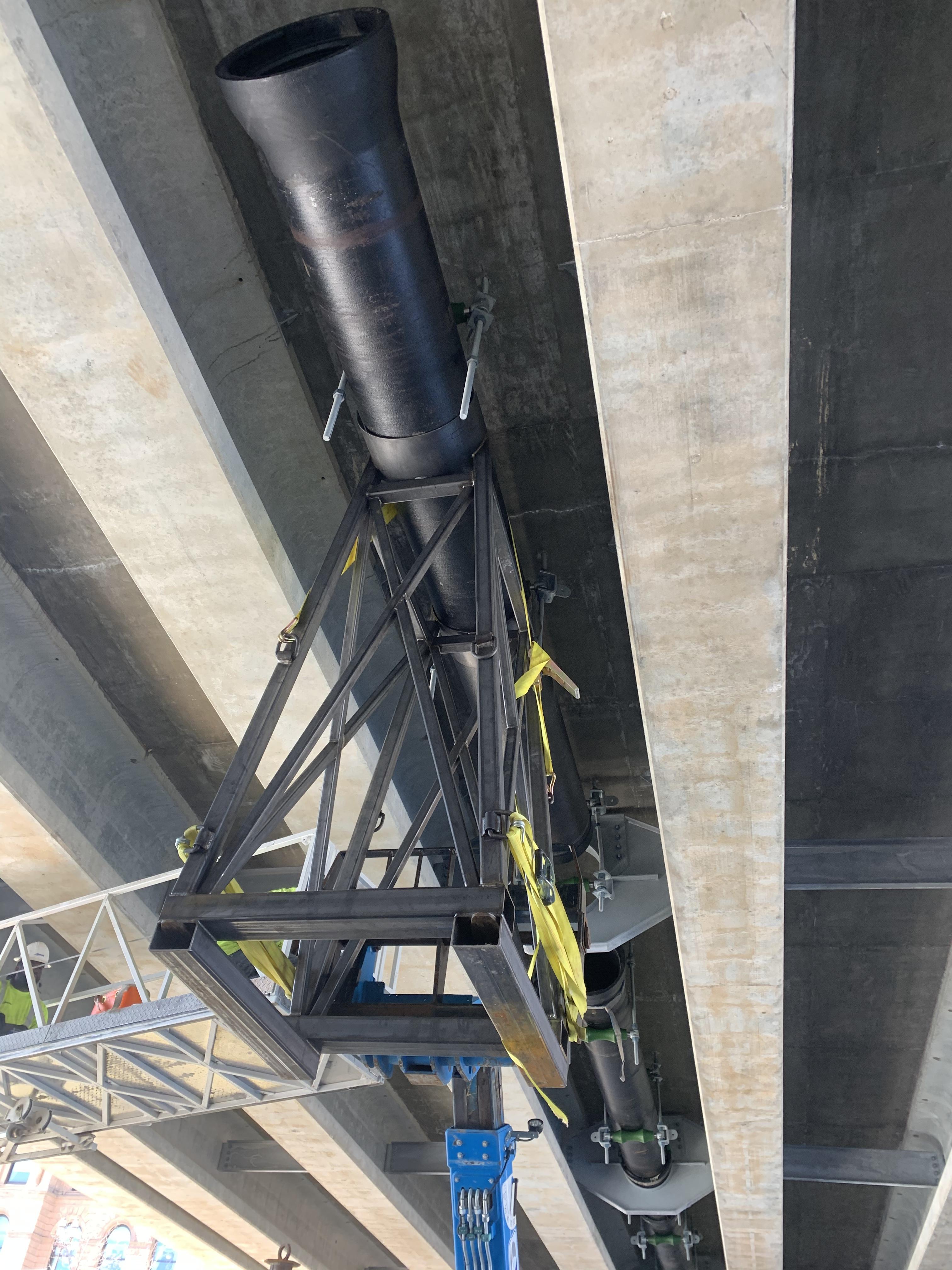
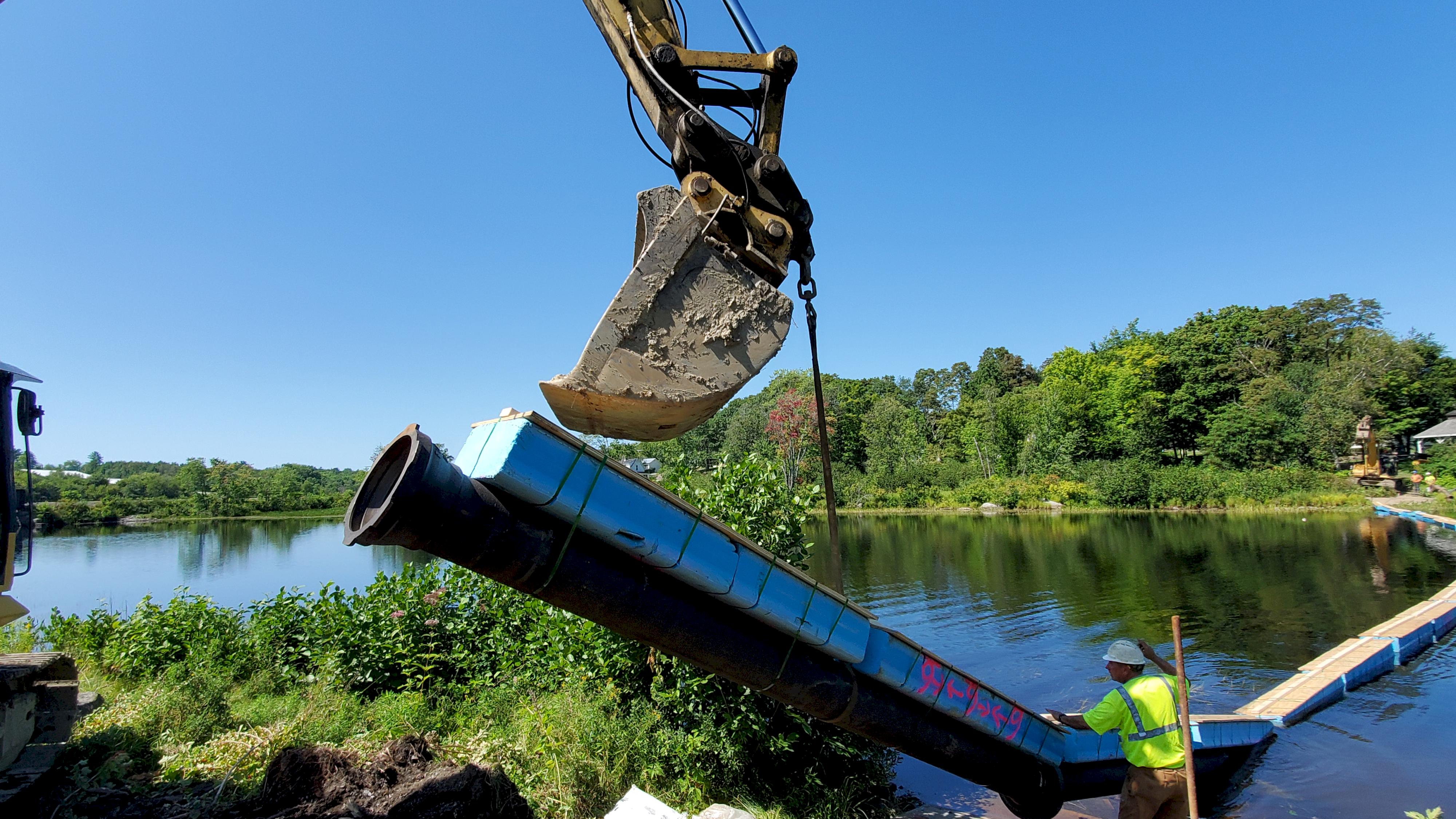
Special installations such as bridges, river crossings, or horizontal directional drill projects are unique and must be addressed accordingly. We recommend evaluating the project before installation. Here are some more helpful Iron Strong Blogs on special applications:
Did You Know?
Every load of McWane Ductile pipe comes with Material Safety Data Sheets (MSDS). The MSDS is in the packet of paperwork, which typically includes safety cautions, pipe lube, coatings, and installation instructions.
If you need job site assistance, have any questions about handling your Ductile iron pipe, or have any other DI pipe-related inquiries, please contact your local McWane Ductile Representative. We’re here to help. Our team members have managed small and large water utility systems, worked in engineering consulting firms, and bring decades of experience solving field issues involving pipeline construction and operation. From design to installation, we strive to educate and assist water professionals throughout the water and wastewater industry. As always: “Work Hard, Work Smart, and Work Safe!”