As the world around us evolves, so do the practices and technologies within the water industry. With ChatGPT being a hot topic of conversation right now, there is a risk of overshadowing the technology that will forever change the way business is done. This #IronStrong blog explores how augmented and virtual reality are transforming the water industry through safer design, smarter training, enhanced collaboration, and more resilient infrastructure.
Let's Imagine
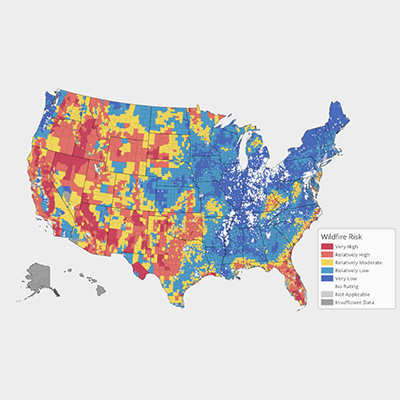
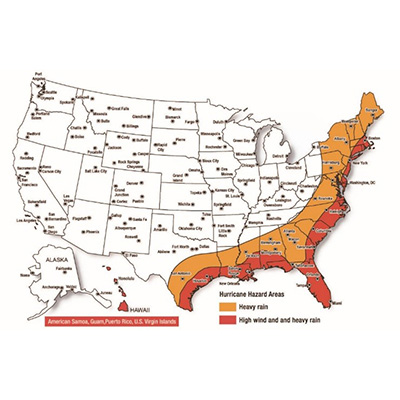
Let's create a scenario where we design a pipeline for future expansion in a city located in a seismic area with potential fire hazards and flooding risks. Imagine using an augmented reality lens that allows you to leverage GIS and integrate systems such as Revit, Bluebeam, and AutoCAD, instantly changing future population growth and infrastructure forecasts while also using simulations to determine pipeline configurations and resiliency. This advanced capability is where the future is heading—moving toward a safer, more collaborative, and best-practice industry.
The implementation of augmented reality (AR) and virtual reality (VR) offers significant opportunities, facilitating seamless communication, shared visualizations, remote inspections, collaborative training, and data sharing across the water industry. This technology will empower stakeholders to work together more effectively and deliver better outcomes for water infrastructure projects and the communities they serve worldwide.
What is augmented reality versus virtual reality?
Although there is a significant overlap between AR and VR, they do have different applications and experiences.
“Augmented reality (AR) integrates digital content into the real-world environment, enhancing the user's perception and interaction with their surroundings in real-time. AR technology overlays computer-generated elements such as images, videos, or 3D models onto the user's view of the physical world.”
Augmented reality places a greater emphasis on the real-world setting and seamlessly integrates digital content into our environment. In comparison, virtual reality (VR) is a fully simulated world that is more encompassing of the user’s senses. This distinction exists partly because AR can be connected to smart devices, whereas VR requires additional equipment, such as headsets and accessories.
“Virtual reality is a fully simulated environment that immerses users in a computer-generated, three-dimensional world, completely replacing the awareness of the real-world environment. VR technology often uses specialized headsets that track the user's movements and provide a fully immersive experience.”
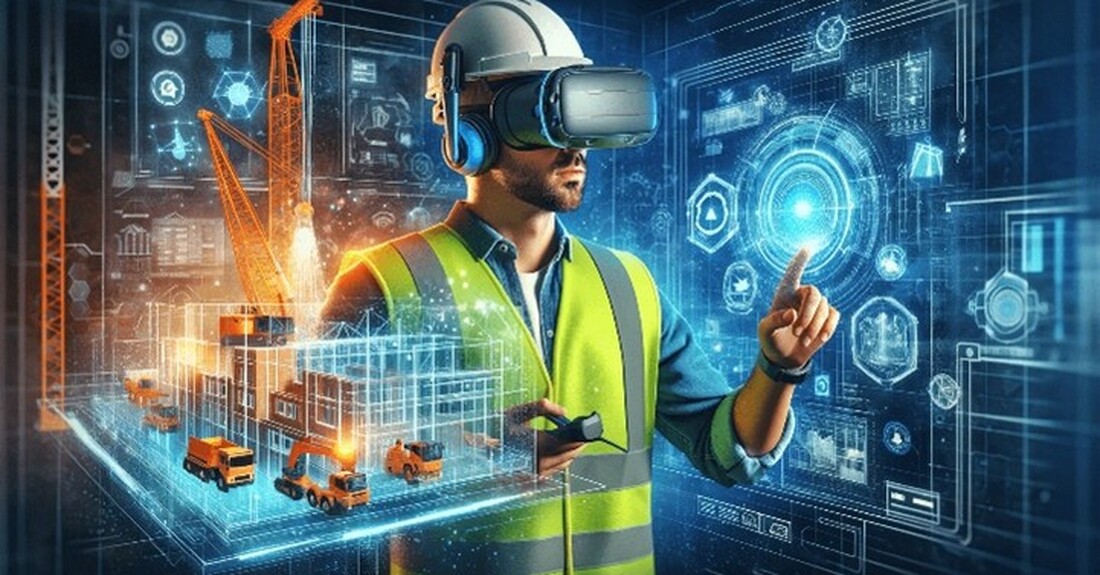
How will this technology transform everyday practices in the Water Industry?
Training
Scenario-based training
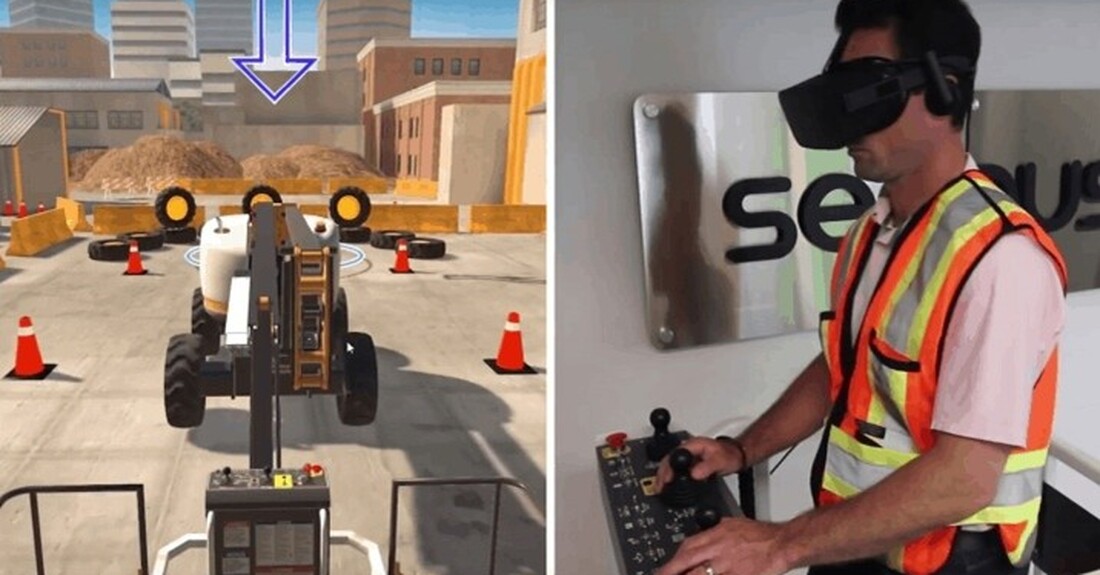
Facilitating scenario-based training exercises enables employees to demonstrate knowledge, decision-making skills, and critical response capabilities through simulated challenges and emergencies in a virtual environment.
Data Visualization and Analysis
Instead of relying solely on textbooks, PowerPoints, and spreadsheets, augmented reality goggles can display real-time data, helping trainees better understand principles and processes within the Ductile iron pipe and water industry.
Remote Assistance
When a client or customer encounters an issue in the field, they can reach out to industry experts without requiring physical presence and access “how-to” videos during installation processes:
Interactive Tutorials
Immersive simulations allow trainees to learn manufacturing processes, installation techniques, maintenance procedures, and safety protocols. In the field, users can quickly reference tutorials for common tasks:
Product Insight and Plant Tour Experience
Using AR and VR devices, customers can experience foundries and manufacturing practices remotely while viewing product parts, assemblies, and specifications across McWane brands:

Safety
Real-time Hazard Detection
AR enables workers to identify potential hazards such as leaks, cracks, and corrosion risks in water pipelines through visual cues.
Enhanced Situational Awareness
Real-time operational data—pressure, temperature, and flow rates—helps users better understand pipeline conditions and respond appropriately.
Remote Assistance and Training
Experienced technicians can support less-skilled workers through live video overlays, ensuring proper installation and safety practices in challenging environments:
Documentation and Compliance
Apple Vision Pro goggles allow users to capture photos and video recordings of inspections and repairs, supporting compliance with safety regulations and industry standards.
Case Studies
These methods are already being implemented worldwide, extending beyond the water industry into many aspects of daily life. As society moves further into the digital age, younger generations—raised with video games, smartphones, computers, drones, artificial intelligence, and virtual reality—will help modernize long-standing industry practices. Within the water industry, Australia’s Melbourne Water Utility has already taken steps to improve safety and training using VR technology.
“Australia’s Melbourne Water utility has been using VR as an alternative to traditional hazard identification processes during plant design development, allowing users to walk through a virtual model of its Western Treatment Plant.”
Collaboration
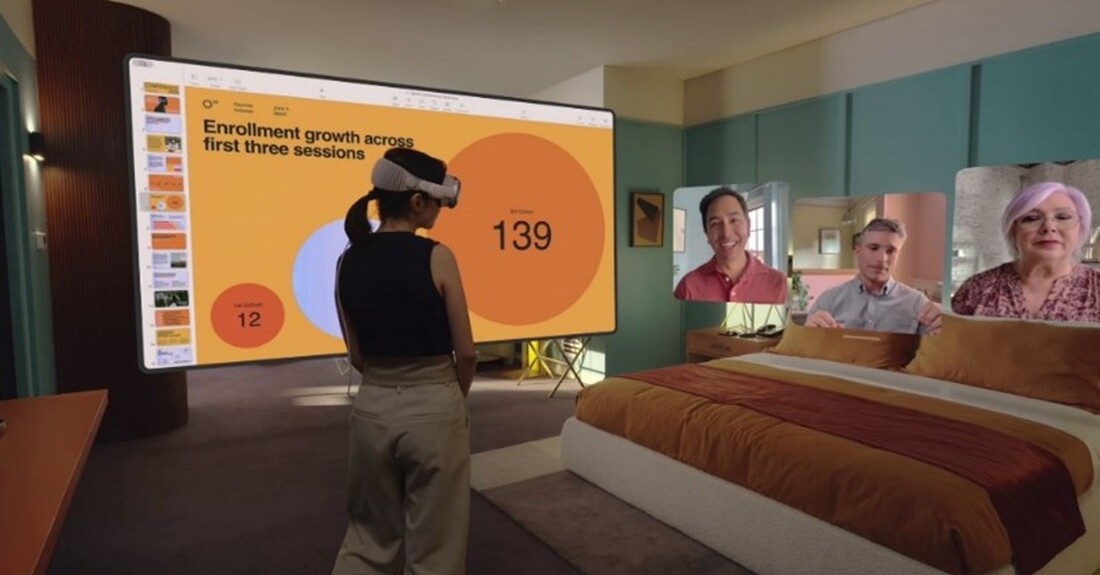
As remote work and virtual meetings become standard, augmented reality will further enable collaboration by allowing attendance at conferences and meetings without the need for travel. Participants can engage in immersive environments that closely resemble in-person events while still enabling interaction and networking.
Looking Ahead
This overview provides a brief insight into what the future of water infrastructure could look like. Exploring and implementing these technologies can help create safer, more efficient, and more resilient systems.
Need Assistance with Your Waterworks Project?
If you have any questions regarding your water or wastewater infrastructure project, your local McWane Ductile representative is equipped with the expertise to assist you. Many of our team members have managed small and large water utility systems, served in engineering consulting firms, and bring decades of experience solving field issues involving pipeline construction and operation. From design to submittal to installation, we strive to educate and assist water professionals throughout the water and wastewater industry.
References
- https://blog.envirosight.com/how-augmented-and-virtual-reality-enhance-the-water-and-wastewater-industries
- https://sopa.tulane.edu/blog/whats-difference-between-ar-and-vr#:~:text=The%20distinctions%20between%20VR%20and,are%20controlled%20by%20the%20system
- https://www.smu.edu/meadows/newsandevents/news/2023/augmented-reality-vs-virtual-reality